
Dental Inventory Management Tips to Prevent Supply Shortages
Posted by Practicon, Inc on 26th Aug 2026
Running out of essential dental supplies can disrupt appointments, delay procedures, and create unnecessary stress for your team. With a consistent inventory process, dental offices can monitor supply levels, simplify reordering, and keep commonly used products organized.
Use these dental inventory management tips to reduce shortages and improve daily efficiency.
- Set PAR Levels for Essential Supplies
A PAR (Periodic Automatic Replenishment) level is the minimum quantity of an item your office should keep on hand. Set PAR levels based on:
- Average weekly or monthly usage.
- Supplier lead times.
- Storage space.
- Product expiration dates.
- Seasonal changes in appointment volume.
For example, a high-use item such as exam gloves may need a higher PAR level than a specialty product used only occasionally. Review PAR levels regularly and adjust them as your office’s needs change.
- Create a Simple Reorder System
A reliable reorder system helps your team know when and what to purchase. For each item, record:
- Product name and size.
- Preferred supplier.
- Current quantity.
- PAR level.
- Reorder point.
- Date reordered.
- Expiration date, when applicable.
Assign one team member to review inventory on a set schedule. A weekly check may be appropriate for high-use supplies, while less frequently used products may only require a monthly review.
- Organize Supplies by Use and Category
An organized storage area makes it easier to identify low-stock items before they become a problem. Group products by category, such as:
- Exam and preventive supplies.
- Infection control products.
- Restorative materials.
- Anesthetic and surgical supplies.
- Office and labeling supplies.
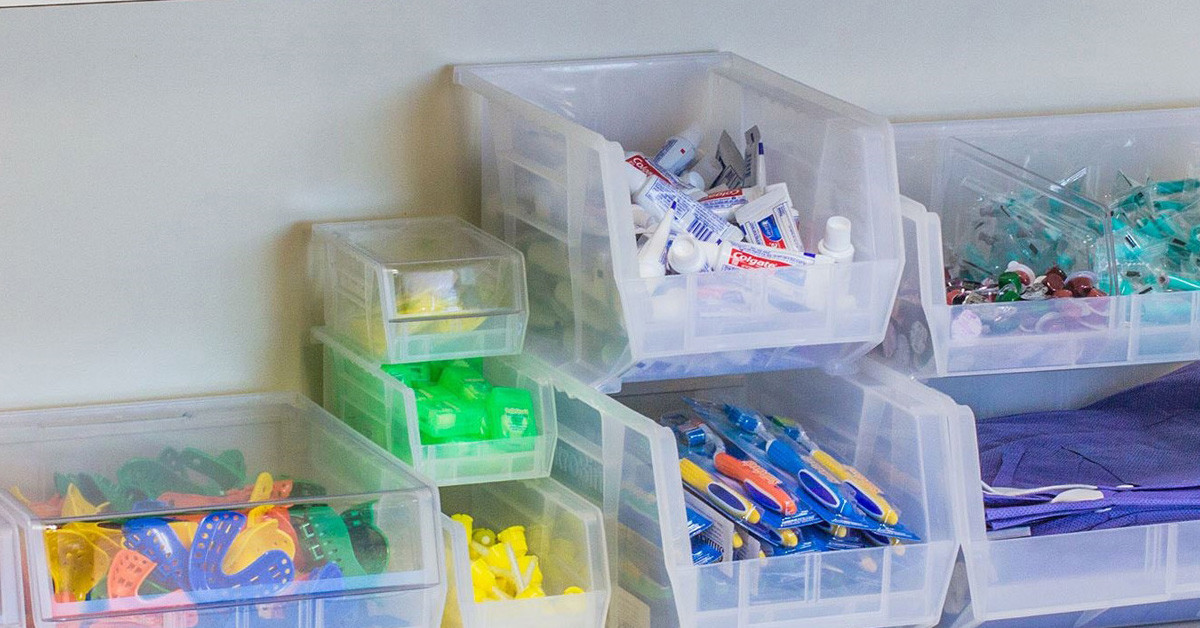
Use clearly marked drawers, bins, and shelves to give every product a designated location. Storage systems also make it easier for multiple employees to follow the same inventory process.
- Use Labels and Stock Rotation
Labels should identify the product name, size, quantity, and expiration date when needed. Color-coded labels can help staff quickly distinguish between categories or treatment areas.
For products with expiration dates, place items with the earliest expiration in front so they are used first. This simple rotation method can help reduce waste and prevent expired supplies from remaining unnoticed in storage.
- Track Usage and Adjust Orders
Inventory records can reveal which products are used most often and which items are ordered too frequently. Compare usage over several ordering cycles to identify trends.
If a product repeatedly reaches its reorder point sooner than expected, increase its PAR level. If an item remains untouched for months, consider lowering the quantity ordered or reviewing whether it is still needed.
Upgrade Your Dental Storage System
The right storage setup can make inventory management faster and more dependable. Practicon offers storage solutions designed to help dental teams keep supplies accessible and organized, including office carts, storage drawers, and tilt drawers.
Shop storage solutions like our drawer organizers and dental carts to create a more efficient supply area and make it easier to prevent shortages.
Frequently Asked Questions
How often should a dental office check inventory?
High-use supplies should generally be checked at least weekly. Lower-use products may be reviewed monthly. Offices should choose a schedule that reflects their appointment volume and product usage.
How should dental supplies be labeled?
Labels should include the product name and size. Add expiration dates, lot numbers, or other details when they are important for product identification, rotation, or recordkeeping.
How can storage drawers improve inventory management?
Storage drawers keep supplies grouped by category and provide a designated location for each item. Clear labels and organized drawers can help staff see what is available and identify low-stock products more quickly.