
Choosing Dental Surface Disinfectants: Wipes, Sprays, Barriers, and More
Posted by Practicon, Inc on 30th Sep 2026
The best dental surface disinfectant is one that fits your operatory workflow, is appropriate for the surface being treated, and can remain wet for its full label-listed contact time. Wipes, sprays, concentrates, and barriers all serve different roles in an effective infection-control process.
A practical system often combines barriers for difficult-to-clean high-touch areas with an EPA-registered disinfectant for exposed clinical contact surfaces.
Start With the Surface, Not the Product
Before choosing a disinfectant, identify what you are treating.
Clinical contact surfaces are areas frequently touched during patient treatment, such as dental unit controls, light handles, x-ray controls, bracket tables, drawer handles, and countertops. CDC guidance states that these surfaces should be protected with barriers or cleaned and disinfected between patients using an appropriate EPA-registered hospital disinfectant.
The right product should align with:
- The type of surface being treated.
- The product’s EPA registration and label claims.
- The required dental disinfectant contact time.
- Equipment-manufacturer compatibility instructions.
- Your office’s turnover workflow.
- Whether visible blood or potentially infectious material is present.
Dental Surface Disinfectant Product Guide
|
Product category |
Best for |
Strengths |
Watch for |
|
Surface disinfectant wipes |
Small clinical contact surfaces, control panels, countertops, and quick turnover areas |
Convenient, portable, and easy to use in individual operatories |
A wipe can dry out quickly over large surfaces; use enough wipes to maintain full wet contact time |
|
Surface disinfectant sprays |
Bracket tables, countertops, cabinets, and larger nonporous areas |
Good coverage for larger exposed surfaces |
Avoid light misting; surfaces must remain visibly wet for the label-listed contact time |
|
Concentrated disinfectants |
Offices with dilution systems or high-volume disinfectant needs |
Can be economical and help standardize inventory |
Measure and dilute exactly as directed; incorrect dilution can affect performance |
|
Intermediate-level disinfectants |
Clinical contact surfaces when an intermediate-level product is indicated |
Tuberculocidal claims and broader efficacy profiles |
Review the exact label claim and contact time rather than assuming every product has the same dwell time |
|
Surface barriers |
Dental unit touchpoints, light handles, hoses, switches, and hard-to-clean equipment |
Helps streamline operatory turnover and protects difficult-to-disinfect surfaces |
Change barriers between every patient and disinfect when barriers are compromised or removed |
How to Choose the Right Format
Choose disinfectant wipes for convenience
Wipes can simplify turnover because the disinfectant and applicator are combined in one product. They work well for small, nonporous clinical contact surfaces—provided the surface remains wet for the full required time.
For large areas, use multiple wipes. A single wipe that becomes dry after covering a wide counter may not provide adequate wet coverage.
Choose sprays for larger surfaces
Sprays can efficiently cover countertops, bracket tables, cabinet fronts, and similar nonporous surfaces. The key is thorough application. The area should be visibly wet, not lightly misted, and it should remain wet for the full label-listed contact time.
Choose surface barriers for high-touch equipment
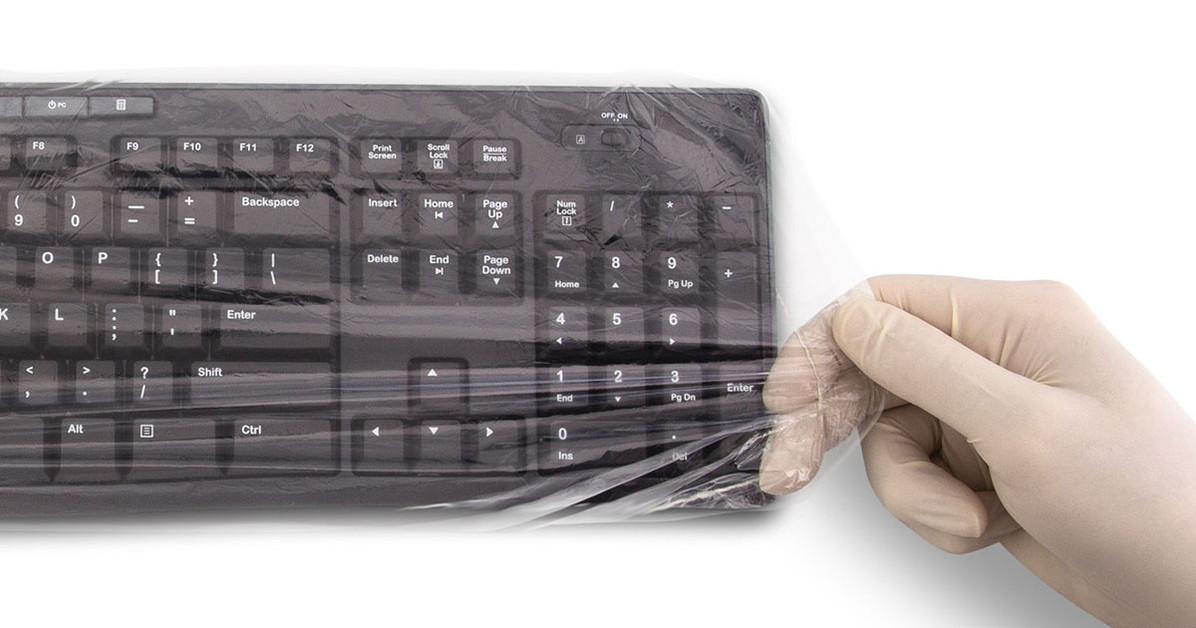
Surface barriers are especially useful for awkward, high-touch surfaces that are difficult to clean and disinfect thoroughly between patients. Examples may include touchpads, control buttons, light handles, x-ray heads, and chair switches.
Barriers do not eliminate the need for a complete cleaning and disinfection protocol. They should be changed between patients, and surfaces should be cleaned and disinfected when contamination occurs or when a barrier is removed or compromised.
Choose concentrates for volume and consistency
Concentrated disinfectants may make sense for practices that use high volumes of product or follow a centralized dilution process. They require careful dilution, accurate labeling, and staff training. Always follow the manufacturer’s instructions for concentration, storage, application, and contact time.
What to Check Before You Buy
Use this purchasing checklist when comparing surface disinfectant options:
- Confirm the product is EPA-registered for its intended disinfectant use.
- Review its label-listed contact time.
- Match the product to the treated surface and equipment compatibility guidance.
- Determine whether the format supports your staff’s normal turnover pace.
- Review required PPE, ventilation, rinsing, and handling instructions.
- Check if the product has the claims required by your practice’s infection-control protocol.
- Plan for adequate wipe or refill quantities so staff do not stretch products beyond their intended coverage.
Shop Dental Surface Disinfectant Categories
Shop recommended disinfectants, wipes, sprays, and surface barriers to build an operatory turnover routine that supports consistent infection control and correct contact-time practices.
Frequently Asked Questions
Should I use disinfectant sprays or wipes?
Choose based on the surface and workflow. Wipes are often convenient for smaller clinical contact surfaces, while sprays may be more efficient for larger nonporous areas. In either case, follow the label instructions and required contact time.
What is an intermediate-level disinfectant?
An intermediate-level disinfectant is an EPA-registered hospital disinfectant with a tuberculocidal claim. CDC recognizes these products for use on noncritical clinical contact surfaces when appropriate.
Can surface barriers replace disinfectants?
No. Surface barriers are an important infection-control tool for protecting certain clinical contact surfaces, but they must be changed between patients. Surfaces should also be cleaned and disinfected when barriers are compromised, removed, or when contamination is present.