
Instrument Cassettes vs. Trays: Cost & Efficiency Comparison
Posted by Practicon, Inc on 12th Aug 2026
When evaluating the dental instrument cassette benefits for your practice, the decision is about more than the initial purchase price. While open trays may cost less upfront, cassette systems can help create a faster, more consistent instrument-processing workflow that supports efficiency, organization, and sterilization accuracy.
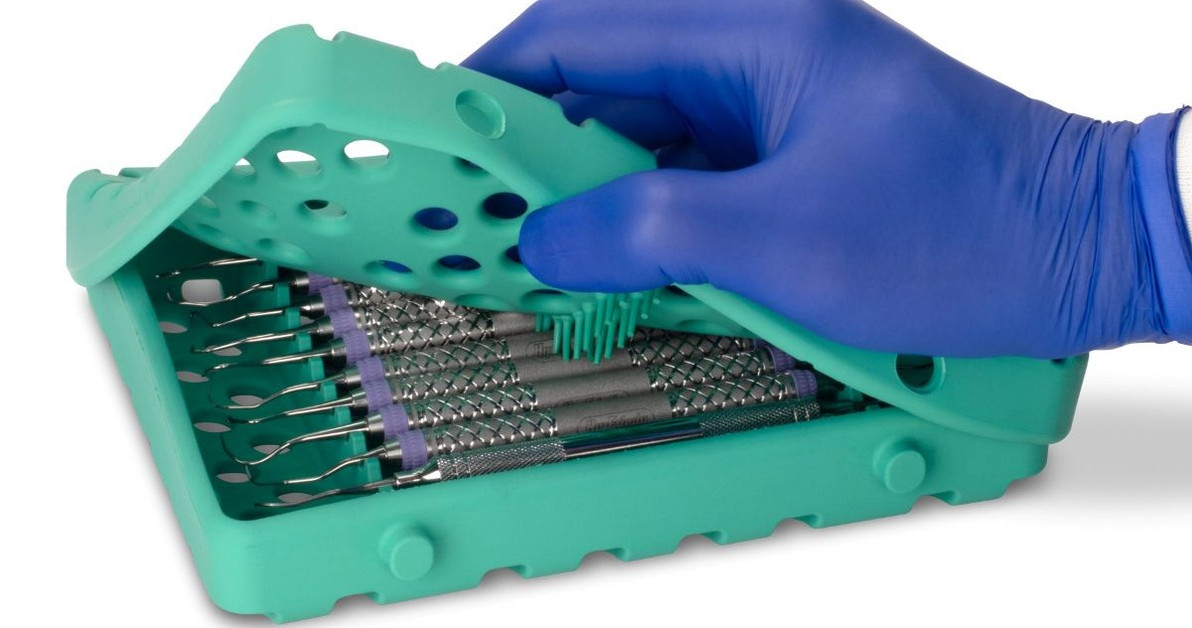
Traditional trays hold instruments for transport or setup, but instruments may need to be sorted, arranged, and handled repeatedly throughout cleaning, packaging, sterilization, storage, and chairside use. Instrument cassettes keep procedure-specific sets together in a secure, organized format—reducing the steps between treatment rooms and the sterilization area.
Where Cassettes Save Time
With a cassette system, team members can build standardized setups for common procedures such as exams, restorations, hygiene appointments, or surgical procedures. After treatment, the entire set moves through processing together rather than requiring individual instruments to be gathered and reorganized.
That can help practices:
- Reduce repetitive handling during cleanup and setup
- Turn over operatories more consistently
- Make it easier to spot a missing instrument before a procedure
- Simplify training for new clinical team members
- Keep instrument sets ready for the next scheduled procedure
Sterilization Accuracy and Organization
A well-designed cassette helps protect instruments and maintains the intended procedure set from cleaning through storage. CDC guidance permits cleaned, dry instruments to be inspected, wrapped, packaged, or placed into container systems before heat sterilization; practices should always follow the cassette, instrument, sterilizer, and packaging manufacturers’ instructions for use.
Cassettes do not replace a complete sterilization protocol. Teams still need to clean instruments thoroughly, inspect them, monitor each sterilization load, and document results according to their practice procedures and applicable requirements. The ADA notes that mechanical monitoring should be recorded for every load, chemical indicators should be used with each load, and biological monitoring is recommended at least weekly.
Looking at ROI
Open trays may appear to be the budget-friendly choice because their upfront cost is lower. But a cassette system may deliver better long-term value when it reduces avoidable labor, decreases setup variability, and helps protect instruments from unnecessary handling.
When comparing systems, consider:
- How much staff time is spent sorting and reassembling instruments each day
- The number of procedure setups your practice uses
- Whether your sterilizer and cleaning equipment can accommodate your preferred cassette sizes
- The cost of building enough sets to support daily patient volume
- How easily the system fits your current infection-control workflow
For busy practices, the strongest return often comes from repeatability: each procedure has a defined set, each team member follows a similar process, and fewer small workflow steps are left to memory.
Ready to improve turnover, organization, and instrument processing consistency? Compare cassette systems to find the sizes, configurations, and capacities that fit your practice’s workflow.
Frequently Asked Questions
What are the main dental instrument cassette benefits?
Dental instrument cassettes keep procedure-specific instruments together from cleaning and sterilization through storage and chairside setup. This can reduce time for shorting, support more consistent setups, and help limit unnecessary instrument handling.
Are instrument cassettes better than trays?
Neither option is automatically right for every practice. Trays can be a lower-cost option for simple or flexible setups, while cassettes are often better suited to offices that want standardized procedure sets, faster room turnover, and a more repeatable sterilization workflow.
Are dental instrument cassettes worth the investment?
For practices with frequent procedures and high instrument turnover, cassettes may provide a worthwhile return through reduced setup and sorting time, more consistent workflows, and better protection for instrument sets. Compare the upfront system cost with the labor time, workflow interruptions, and replacement costs associated with your current tray-based process.